


Game info
Fighting, Action RPG, Martial arts
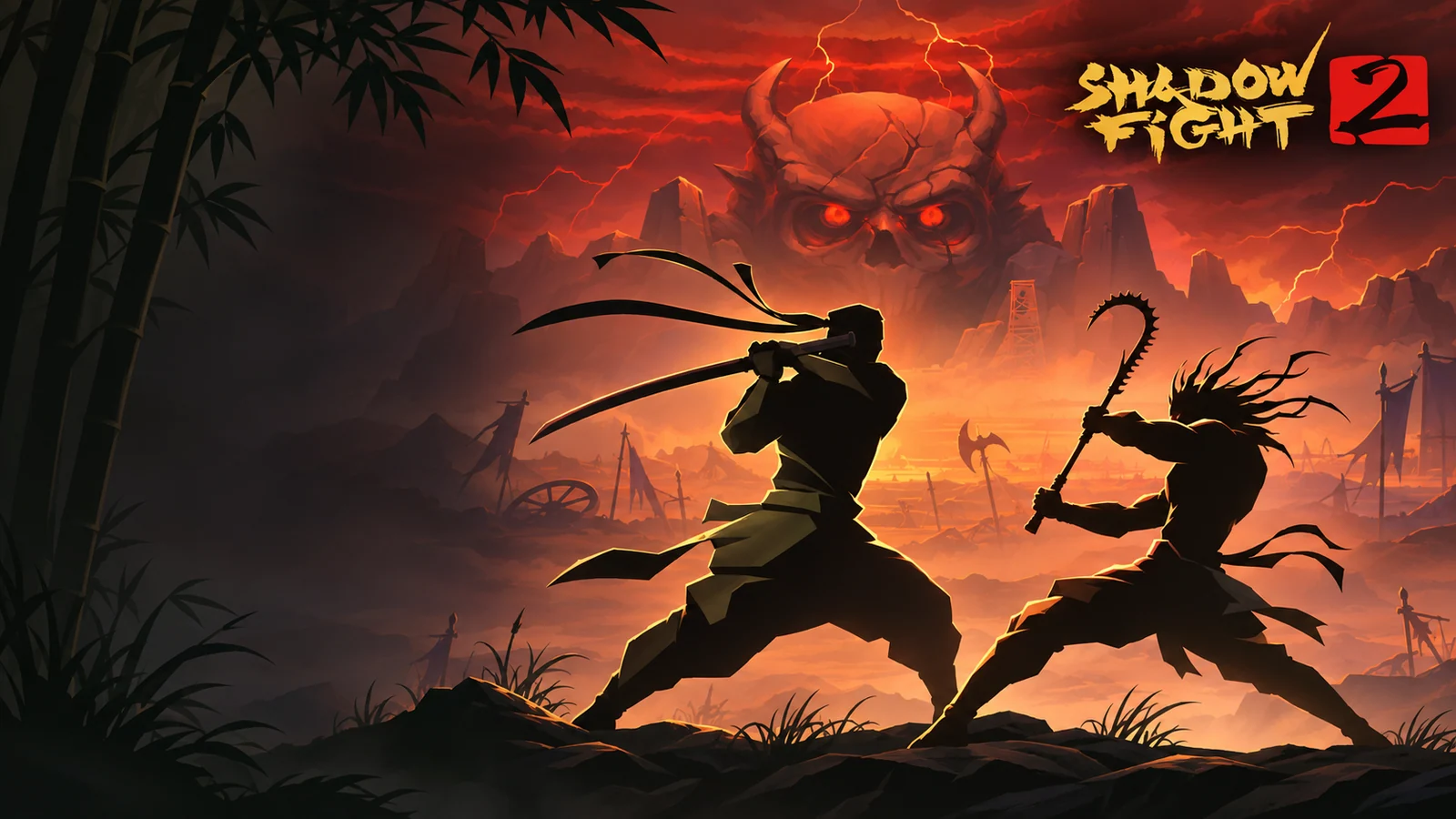
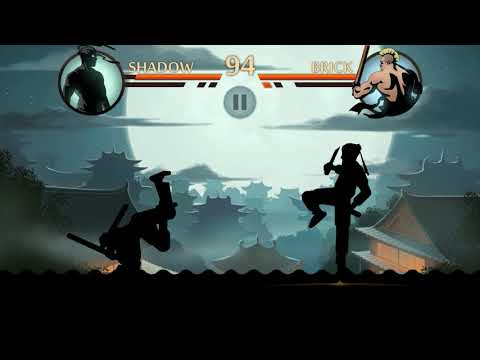
Shadow Fight 2 combines silhouette fighting with equipment and campaign progression. Encounters reward timing and distance: a weapon’s reach, the enemy’s attack pattern and the space available all affect the next useful move.
About Shadow Fight 2
Shadow Fight 2 combines silhouette fighting with equipment and campaign progression. Encounters reward timing and distance: a weapon’s reach, the enemy’s attack pattern and the space available all affect the next useful move.

Gameplay overview
Enter a fight, move into range, attack or defend and react to the opponent’s recovery. Between encounters, the native game offers equipment and progression decisions. Combat advice should describe the actual weapon or situation rather than promise a single move that wins every fight.
How to Play
Use early exchanges to learn the opponent’s reach. Let an attack miss at the edge of its range, then counter before recovery ends. If a weapon is slow, leave more room to begin the action safely. Review equipment requirements when a fight feels unmanageable, but do not confuse a statistical upgrade with learning the timing.
Controls
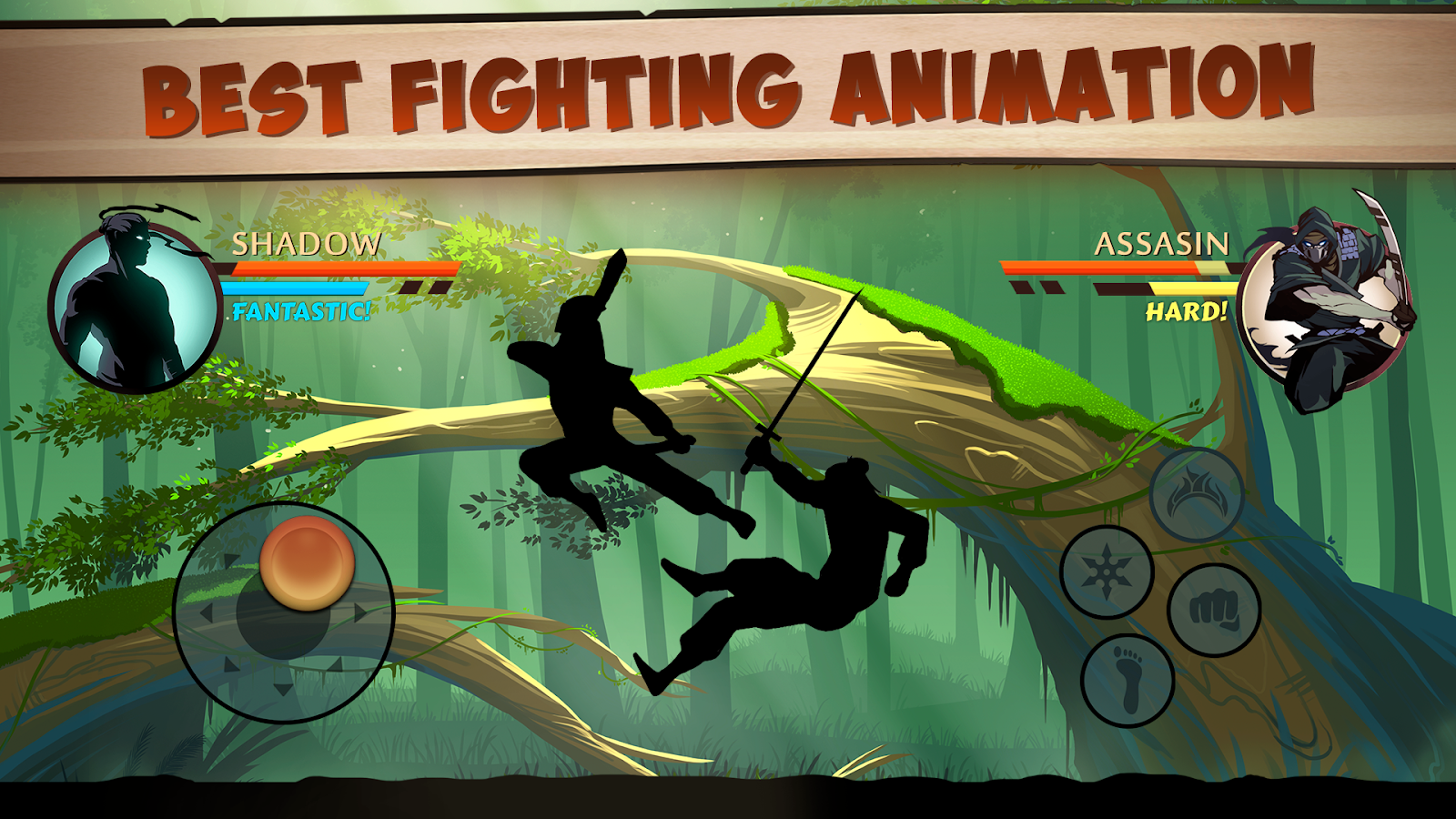
Official mobile edition: on-screen directional and attack controls, with actions depending on input combinations and available equipment. Browser alternatives use separate key maps.
Pro Tips
- Practise the range of the weapon you are actually using.
- Avoid attacking repeatedly while the opponent is already in a strong position.
- Use official support for account and purchase questions.
- Keep Shadow Fight 2 separate from Shadow Fight 3 and Shades.
Making Better Decisions
A new weapon is a new timing problem as well as an equipment choice. Spend time learning where its attacks connect and how long they leave the character committed. Against an unfamiliar opponent, watch a few actions from a safer distance before deciding where a counter should begin. If repeated close-range exchanges fail, create space instead of trying the same input faster. Between fights, read the actual equipment requirements and available upgrades rather than relying on a shortcut that promises to defeat every boss. Numerical progression and combat judgement work together. Advice from a different Shadow Fight release or an unrelated browser clone may use the wrong attack names, so every detailed walkthrough should identify the exact game and weapon involved.
Features, Modes and Progression
Official descriptions establish fighting and RPG equipment systems. Live events, item availability and balance should be checked at publication rather than frozen into unsupported evergreen claims.
Choose distance before the attack
Begin an encounter by noticing where an action can connect and what space it leaves afterwards. Moving into range is a separate decision from choosing the strike. If an attack repeatedly misses, compare the starting distance before changing the entire sequence. A better position can make a simple move effective without needing faster input. Keep defensive movement available while learning an unfamiliar opponent.
Make equipment part of the practice
An equipment change can alter the feel of an encounter, but it does not replace learning the timing of the chosen action. Read the current item and move information, then test it in a situation you understand. Avoid drawing conclusions from one hectic exchange. Several comparable attempts reveal more about reach and recovery than a single lucky hit.
RPG equipment meets silhouette martial arts
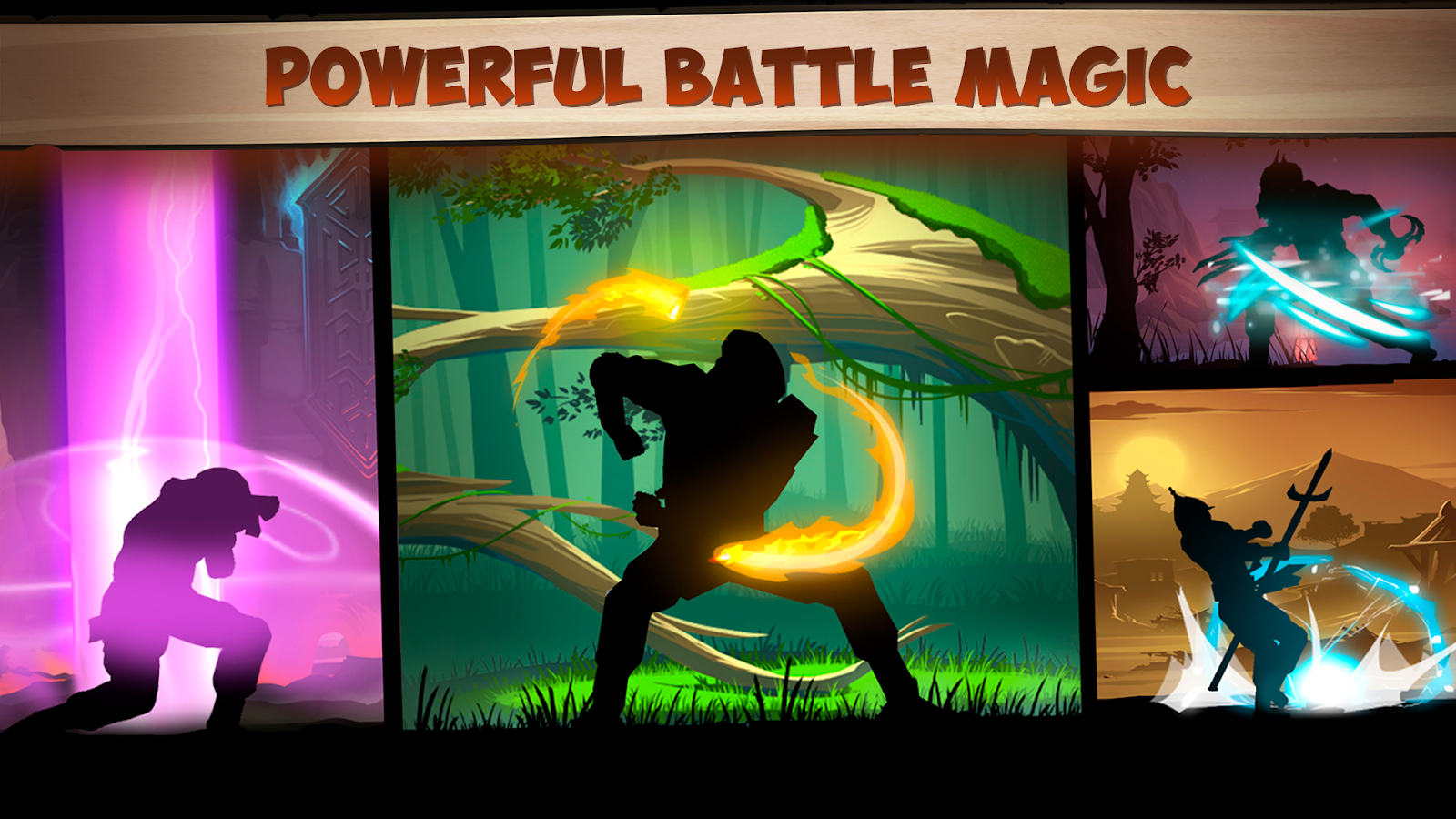
Shadow Fight 2's published description combines classical fighting with RPG-style equipment. Weapons and armour are part of character development, while the fights ask you to learn the actual movement and reach of the selected loadout. A weapon upgrade and a more reliable approach are related improvements, but they do not solve exactly the same problem.
Use a familiar encounter to understand a new weapon's rhythm. Notice which attacks leave room to defend and which commit the fighter for longer. An attractive equipment choice can create a different way of fighting rather than merely increasing a number. Reading its current information helps keep that progression decision connected to the next exchange.
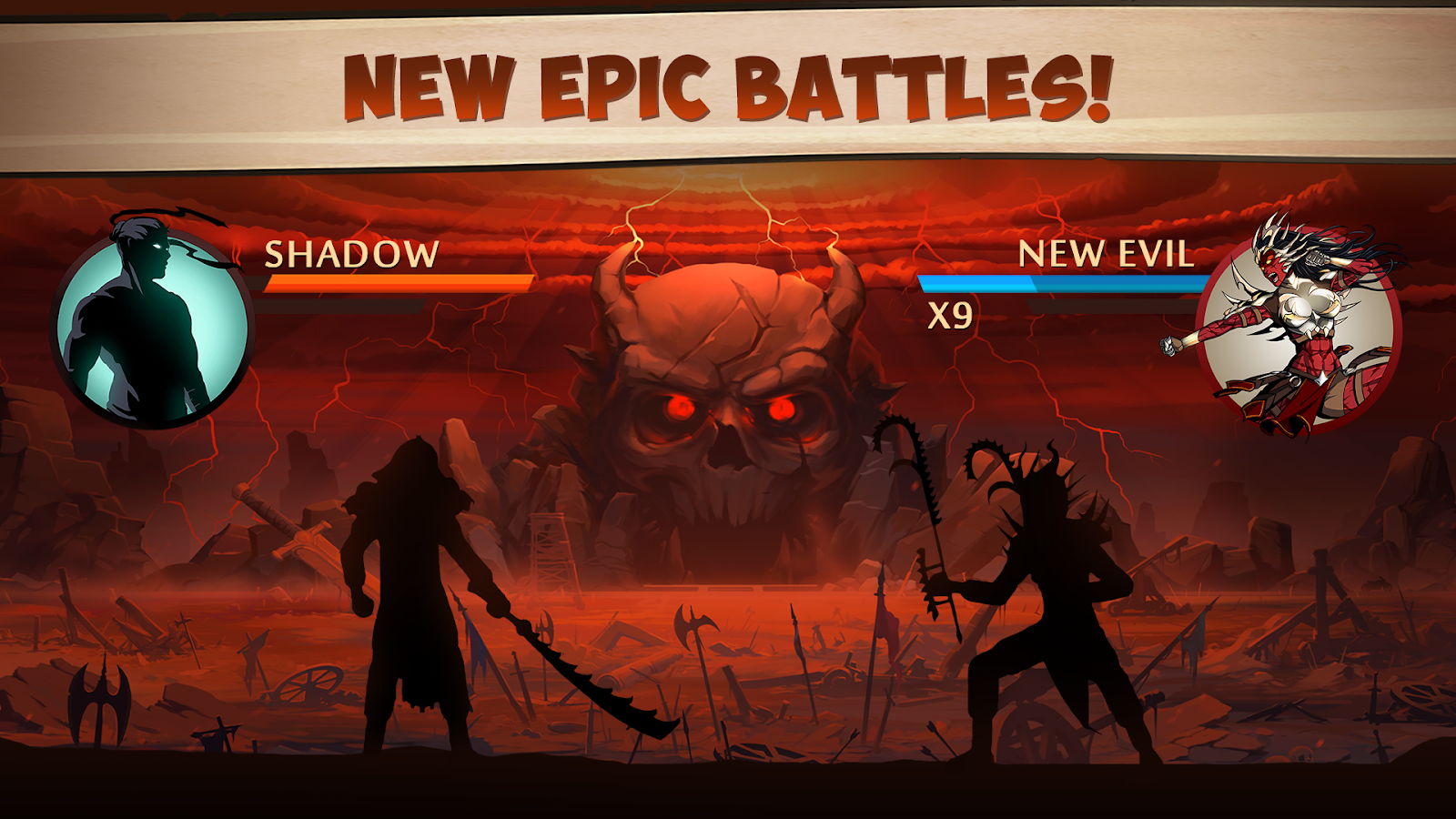
The Gate of Shadows, demon encounters and the Underworld
The original game frames its campaign around the Gate of Shadows and demon opponents. That gives the equipment journey a narrative direction alongside the combat itself. Each new encounter can ask you to reconsider distance or timing rather than simply repeat the same action with a larger damage value.
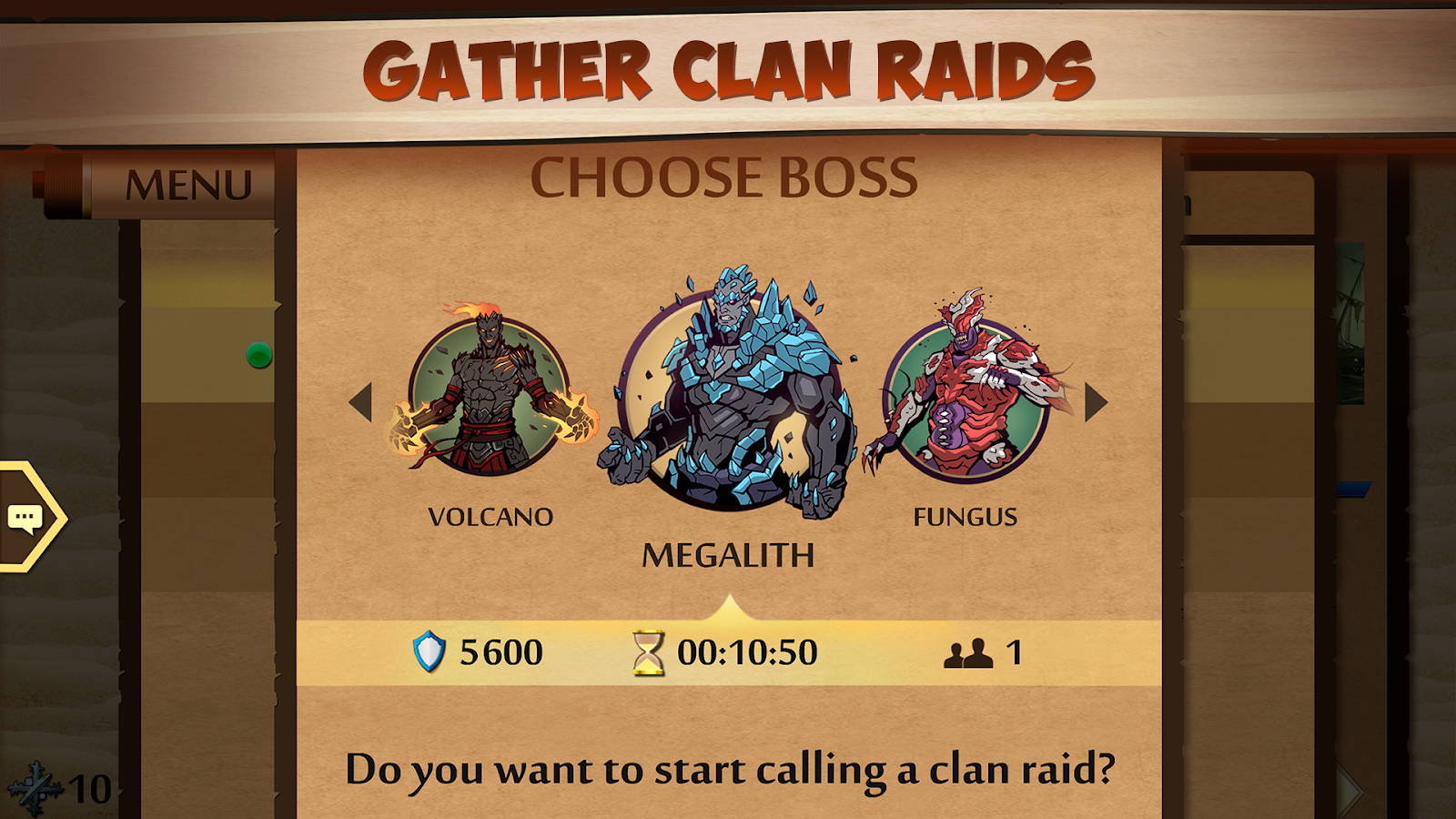
The official product also describes Underworld activities with other players against bosses. Check the current release for availability and requirements before planning a session around a particular activity. A familiar enemy image or arena does not guarantee the same conditions as an earlier version. Keep a dependable set of attacks, learn what a new encounter changes and use progression to support that understanding. This combination of equipment development, silhouette animation and a clear fighting rhythm gives Shadow Fight 2 its particular identity within the series.
Build a fight around weapon reach
Shadow Fight 2 makes weapon choice visible through the range and rhythm of the fighter's attacks. Begin by learning the distance at which a simple strike is useful. A weapon with reach does not remove the need to manage space, and a quick close-range action still needs a safe approach. Watch both fighters' positions before committing to a long sequence.
Notice what the weapon leaves you doing when an attack misses. A large movement may create a strong hit but also a longer recovery. Use a familiar encounter to compare one short attack with a more committed one. Knowing when the fighter can move again helps explain why an apparently powerful action can be a poor choice at the wrong distance.
The opponent's pattern is information
A repeated attack gives you something to observe. Identify its approach, reach and the moment after it finishes. The useful response may be a step, a defensive action or a shorter answer rather than a faster version of the same attack you were already trying. Change one part of the exchange and compare the result.
Avoid assuming that every enemy requires exactly the same routine. A different weapon or movement pattern can alter which distance is comfortable. Keep the basic habits—reading range and leaving recovery space—while adjusting the specific response. That makes practice adaptable rather than dependent on one memorised sequence.
Learning a new weapon before judging its strength
When the game offers a different weapon, inspect its move information and test the basic rhythm. A weapon that looks attractive may ask for a different approach or more careful timing. Try it against a situation you already understand so you can distinguish the equipment's effect from unfamiliar terrain or an unfamiliar opponent.
Upgrading can support progression, but it does not explain every result. If the same exchange remains difficult, review where it begins. Entering at an awkward distance can make improved equipment feel ineffective. A controlled comparison helps decide whether the next useful action is practice, a different equipment choice or further progression.
Campaign progress and a useful reason to revisit a fight
Read the current challenge and its requirements before spending an in-game resource. Campaign encounters and other activities can place different demands on the fighter. An old equipment list or reward chart should not be treated as a guarantee of what the present release offers. The menu and current game information establish those conditions.
Returning to a familiar fight can be worthwhile when it answers a specific question. You might want to test a weapon's reach, improve a defensive response or make the opening exchange more dependable. That aim gives the attempt value even before a larger progression milestone is reached.
Controls, practice and official information
Confirm the selected game's movement and attack inputs before building a combination around them. Shadow Fight 2's mobile controls and a browser fighter's keyboard mapping should not be assumed identical. Use the on-screen instructions and move information. A short routine of approach, attack and recovery is a useful place to begin on either device.
Nekki is the official publisher destination for the series; the store buttons below identify the published mobile game. For the next session, choose one exchange to improve rather than an entire fight to perform perfectly. Shadow Fight 2 becomes more satisfying when weapon reach, defensive timing and the space left after an action are decisions you can recognise and repeat.
Worked example: an attack that is strong only when it connects
Imagine using a committed attack from just outside its useful range. The opponent avoids the hit, and your fighter is still recovering when the answer arrives. Repeating the same command faster does not necessarily fix that exchange. Compare the starting distance, the opening and the recovery. A shorter action or a different position may be the appropriate change.
Test the move at a comfortable range, then move slightly farther away. Notice when its effect stops reaching the target and how soon you can defend afterwards. That gives the attack a practical boundary. The move becomes something you can choose for a situation instead of a button sequence you repeat whenever the opponent is visible.
Worked example: a combo that works in practice but fails in a match
A reliable practice input and a useful match opening are separate skills. If a sequence works consistently against a still target but fails during an encounter, inspect the first action and its range. The follow-up may depend on a successful opening that was never created. Practise recognising that opening before adding more commands to the sequence.
If the sequence itself remains inconsistent, slow the practice down and learn its parts. Change input timing separately from the decision about when to attack. This distinction prevents a familiar frustration: repeatedly attempting a complicated action in a situation where a simpler response would have been useful.
Learning from one repeated exchange
After a match, choose one approach from the opponent and one response you used. Describe what happened without explaining the entire match at once. The next attempt can test a different distance, timing or defensive action. Consult the move list and controls of the selected release; names, rosters and abilities are not universal across every fighter. For shared-screen play, make sure both people can reach their inputs comfortably and see the arena. The interesting comparison should be the exchange between fighters, rather than an input arrangement that one player could not use properly.
Related games
Frequently asked questions
Does the browser alternative include the Shadow Fight 2 story?
That is not established; its mechanics and content are recorded under its own title.
Why does a long weapon still lose at close range?
Reach is useful at the right distance; a crowded position can make a slow attack difficult to start safely.
Who develops or publishes Shadow Fight 2?
NEKKI
Which controls should I use?
Official mobile edition: on-screen directional and attack controls, with actions depending on input combinations and available equipment. Browser alternatives use separate key maps.
Is it free?
The observed Google Play listing is free to download and offers in-app purchases. A browser alternative has its own provider terms and may include adverts.
Can I use my official account or saved progress in a browser alternative?
No account, purchase or save transfer is established unless the developer explicitly documents it for that build.
What games should I try next?
Compare Shadow Fight 2, martial arts RPG, shadow combat, weapon fighter. The related list prioritises shared mechanics and preserves each game’s real identity.
Good game? Tell us.0
Share a tip, celebrate a high score, or tell us what you think. Keep it friendly.